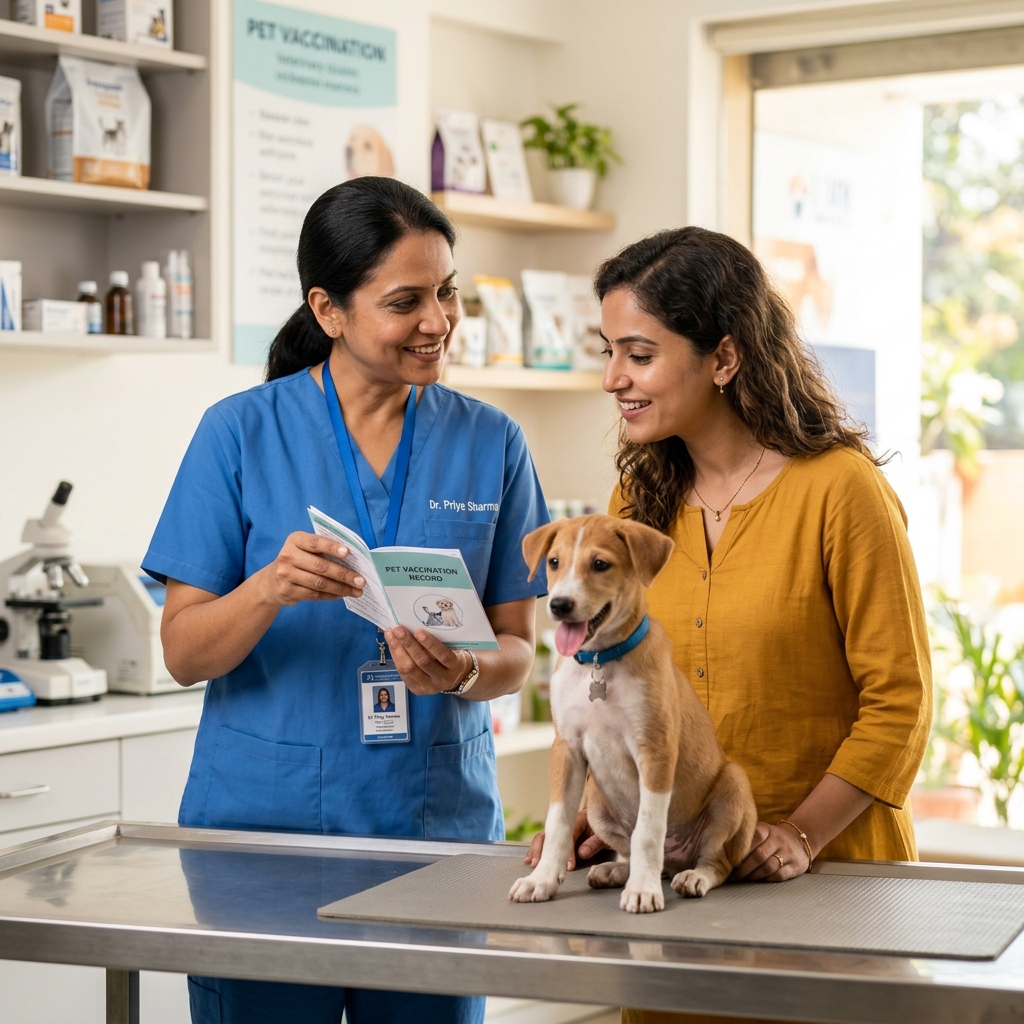
From first puppy shots to annual boosters — a clear, practical guide to dog vaccinations in India.
Vaccination is the single most effective way to protect your dog from life-threatening diseases — many of which are common across India and have no treatment once contracted. Whether you've just brought home a puppy or adopted an adult dog with an unclear history, this guide walks you through exactly what to give, when to give it, and what not to miss.
“Vaccines don't just protect your dog. Several core vaccines — especially rabies — protect your family too.”
1. Core vs non-core vaccines — know the difference
Not all vaccines are created equal. In India, vaccines for dogs fall into two categories:
- Core vaccines — Recommended for every dog, regardless of breed, lifestyle, or location. Protect against diseases that are widespread, severe, or transmissible to humans.
- Non-core (optional) vaccines — Recommended based on your dog's specific lifestyle, environment, and risk exposure. Your vet will advise which ones apply.
India-specific note: Rabies is legally mandated for pet dogs in India under the Prevention and Control of Infectious and Contagious Diseases in Animals Act. All other core vaccines are strongly recommended by veterinary guidelines but not legally enforced.
2. The complete dog vaccination schedule for India
Here is the standard vaccination schedule recommended for dogs in India, from puppyhood through adulthood:
| Age / Stage | Vaccine | Type | Notes |
|---|---|---|---|
| 6–8 weeks | DHPPiL (Combination) | Core | First puppy shot. Distemper, Hepatitis, Parvovirus, Parainfluenza, Leptospirosis. |
| 10–12 weeks | DHPPiL (2nd dose) | Core | Second in the primary series. Immunity building. |
| 12–16 weeks | Rabies (1st dose) | Core | Legally mandated in India. Critical for zoonotic protection. |
| 14–16 weeks | DHPPiL (3rd dose) | Core | Completes the primary puppy series. |
| 6 months | Bordetella (Kennel Cough) | Optional | Recommended for dogs visiting boarding, parks, or training classes. |
| 1 year | DHPPiL Booster + Rabies Booster | Core | First annual booster. Critical — do not skip. |
| Every 1–3 years | DHPPiL + Rabies | Core | Frequency depends on vaccine brand and vet recommendation. |
| Annually | Bordetella, Lyme, Influenza | Optional | Based on exposure risk. Ask your vet. |
Important: This schedule is a general guide. Your vet may adjust timing based on your dog's breed, health status, prior vaccination history, and local disease prevalence. Always follow your vet's specific recommendation.
3. What each core vaccine protects against
Understanding what you're vaccinating against helps you take it seriously — and explain it to others at home.
- Distemper (D) — A severe viral disease affecting the respiratory, gastrointestinal, and nervous systems. Often fatal. No cure.
- Hepatitis (H) — Canine adenovirus causing liver disease. Can lead to sudden death in puppies.
- Parvovirus (P) — Highly contagious, often fatal in puppies. Spreads via contaminated surfaces and faeces.
- Parainfluenza (Pi) — Respiratory virus contributing to kennel cough. Spreads rapidly in multi-dog environments.
- Leptospirosis (L) — Bacterial infection transmissible to humans. Common in India, especially during monsoons.
- Rabies — Fatal viral disease transmissible to humans. Legally mandated. No treatment once symptomatic.
4. Things that can go wrong — and how to avoid them
- Starting too early — Vaccinating before 6 weeks can interfere with maternal antibodies, reducing effectiveness. Stick to the schedule.
- Incomplete primary series — Skipping the 3rd puppy dose leaves your dog without full immunity. All three doses are essential.
- Missing the 1-year booster — The gap between the puppy series and the first annual booster is critical. Immunity can wane significantly if this is delayed.
- Poor cold-chain storage — Vaccines stored improperly lose efficacy. Always vaccinate at a registered clinic — not at home or from unverified sources.
- Vaccinating a sick dog — A dog that is unwell cannot mount a proper immune response. Always have a health check before vaccination.
5. What to expect after vaccination
Most dogs handle vaccinations without issue. Mild side effects are normal and temporary:
- Mild soreness or swelling at the injection site
- Lethargy or reduced appetite for 12–24 hours
- Low-grade fever
Seek immediate vet attention if you notice: facial swelling, difficulty breathing, vomiting, collapse, or hives within a few hours of vaccination. These are signs of an allergic reaction requiring emergency care.
6. Keeping track — don't rely on memory
A vaccination record is as important as the vaccine itself. Without it, you can't prove your dog's immunity status — which matters for boarding, travel, and any emergency vet visit.
- Ask your vet for a signed, dated vaccination card or digital record
- Photograph the record and store it on your phone
- Set calendar reminders for upcoming booster dates
- Share the record when boarding, travelling, or visiting a new vet
Frequently asked questions
Everything Indian dog parents ask about vaccination schedules, doses, and what to do when things get complicated.
What is the vaccination schedule for puppies in India?
Puppies in India typically receive their first combination vaccine (DHPPiL) at 6–8 weeks, a second dose at 10–12 weeks, and a third at 14–16 weeks. The rabies vaccine is given at 12–16 weeks. A booster is due at 1 year, followed by annual or triennial boosters depending on the vaccine type and your vet's recommendation.
Which vaccines are mandatory for dogs in India?
The rabies vaccine is legally mandated for pet dogs in India. Core vaccines covering Distemper, Parvovirus, Hepatitis, Parainfluenza, and Leptospirosis are strongly recommended by veterinary guidelines, though not legally required. Given how prevalent these diseases are in India, treating them as mandatory is the safest approach.
What is the DHPPiL vaccine for dogs?
DHPPiL stands for Distemper, Hepatitis, Parvovirus, Parainfluenza, and Leptospirosis — five diseases covered in a single combination vaccine. It is the most important core vaccine for dogs in India, given as a three-shot series in puppies starting at 6–8 weeks, with annual or triennial boosters in adults.
Can I vaccinate my dog at home in India?
Some vaccines are available over the counter in India, but home vaccination is strongly discouraged. Vaccines require proper cold-chain storage, correct administration technique, and a pre-vaccination health check to ensure your dog is fit to receive the vaccine. Adverse reactions also need immediate veterinary attention. Always vaccinate at a registered clinic.
What happens if I miss my dog's vaccination booster?
Consult your vet as soon as you realise a booster has lapsed. For puppies, an incomplete primary series significantly reduces protection. For adult dogs, a lapsed booster may mean restarting the course rather than simply continuing — your vet will assess the gap and advise accordingly. The sooner you catch it, the simpler the fix.
How much does dog vaccination cost in India?
A single DHPPiL vaccine typically ranges from ₹500–₹1,500 per dose across Indian cities. Rabies vaccines range from ₹300–₹800. Many clinics offer wellness packages that bundle vaccinations, deworming, and a health check at a better rate.
Does my dog need the kennel cough vaccine in India?
The Bordetella (kennel cough) vaccine is a non-core, optional vaccine. It is recommended for dogs that frequently visit boarding kennels, dog parks, grooming salons, or training classes — anywhere with high dog-to-dog contact. Ask your vet if it is appropriate for your dog's lifestyle.
Is the leptospirosis vaccine important for dogs in India?
Yes — leptospirosis is particularly relevant in India, especially during and after the monsoon season. The bacteria spread through contaminated water and soil, making dogs in urban areas, flooded zones, and those who drink from outdoor water sources especially vulnerable. It is included in the standard DHPPiL combination vaccine.
Vaccination isn't a one-time task — it's a lifelong commitment to your dog's health. The schedule is simple once you know it. The hard part is just staying consistent. Find a vet you trust, keep your records updated, and don't let boosters lapse. Your dog is counting on you for the things they can't ask for themselves.
24/7 Emergency Vets Near You
Gully Tails Editorial
The Gully Tails Editorial team works with local vets and pet parents to bring you the most accurate and up-to-date resources for pet care in India.