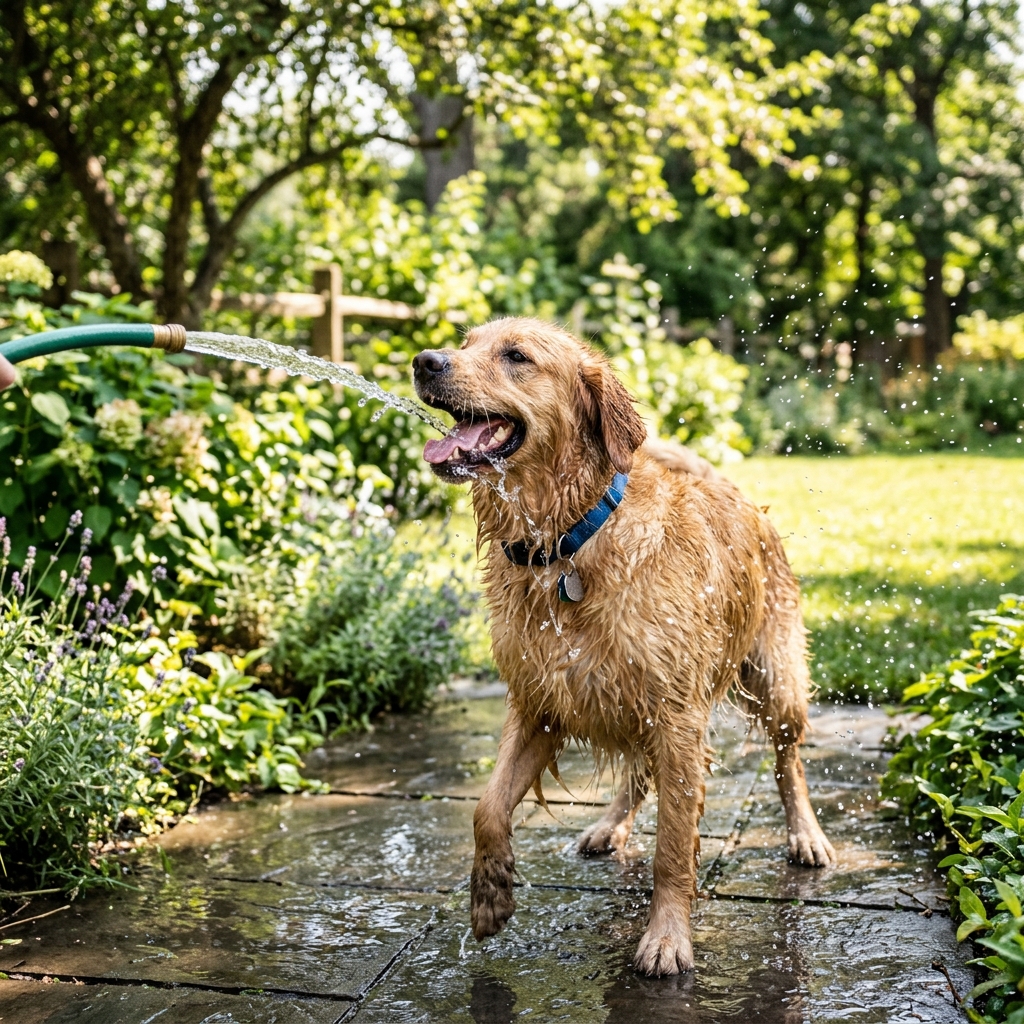
India's summer heat is hard on pets in ways many owners don't notice until it's serious. Here's what actually matters for dogs and cats this season — and what's just myth.
Every year, summer arrives in India with the same warnings — and every year, pets still end up at the vet for heat-related issues that were almost entirely preventable. Dogs and cats can't regulate heat the way we do; they don't sweat across their skin, and their main coping tools are panting, seeking shade, and reducing activity. When the mercury climbs past 35°C across most of the country, that's often not enough.
This guide breaks down what genuinely protects your pet this season — split by dog and cat needs, since their risks and cooling instincts differ more than most owners realise.
Recognise Heatstroke Early
This is the single most important section in this post. Heatstroke can become fatal within a short window, and early signs are often dismissed as your pet "just being tired."
Never use ice-cold water or ice packs directly on a pet with suspected heatstroke. Rapid cooling can cause shock. Use room-temperature or cool water, focus on the paws, belly, and neck, and head to the vet right away.
Adjusting Your Dog's Daily Routine
Dogs cool down almost entirely through panting and the pads of their feet, which makes timing and surface temperature far more important than most owners realise.
- Walk before 8am and after 6pm. Tar and concrete can be far hotter than the air temperature and burn paw pads badly during midday hours.
- Test the ground with your hand first. If it's too hot for your palm for five seconds, it's too hot for your dog's paws.
- Keep water available at all times, not just on walks. Refresh it more often — warm, stale water gets avoided, which leads to quiet dehydration.
- Watch brachycephalic breeds extra closely. Pugs, Bulldogs, and Boxers struggle to pant efficiently and overheat much faster than other breeds.
- Never leave a dog in a parked car. Even a few minutes with windows cracked can push interior temperatures to dangerous levels.
Keeping Indoor and Outdoor Cats Cool
Cats are quieter about discomfort than dogs, which means heat stress in cats is more easily missed until it's already serious.
- Give them options to choose their own cool spot. Cats self-regulate well if they have access to tiled floors, shaded balconies, or a fan-cooled room — let them pick.
- Multiple water bowls, placed away from food. Cats often drink more when water is separated from their feeding area, which matters more in summer.
- Restrict outdoor access during peak afternoon heat. If your cat goes outdoors, bring them in between roughly noon and 4pm when surfaces and pavement heat up most.
- Don't shave a long-haired cat's coat. Fur actually insulates against heat and protects against sunburn — a trim is fine, a shave isn't recommended.
- Watch for reduced appetite paired with lethargy. Cats often eat less in heat, but combined with excessive sleeping or hiding, it's worth a vet check.
Common Summer Pet Care Myths
Some of the most common summer advice circulating among Indian pet owners is outdated or simply incorrect.
Frequently Asked Questions
The questions Indian pet owners ask most during summer.
What temperature is actually dangerous for dogs and cats?
There's no single universal number since it depends on breed, age, coat, and humidity, but risk rises sharply once ambient temperatures cross the mid-30s°C — which covers much of India for several months. Humidity makes it worse than the number alone suggests, since high humidity reduces how effectively panting cools the body. Senior pets, puppies, kittens, and brachycephalic breeds are at meaningfully higher risk at lower temperatures than healthy adult pets of other breeds.
Is it safe to use a fan or AC for pets all day during summer?
Yes, and it's genuinely one of the most effective things you can do, especially for indoor cats and short-nosed dog breeds that struggle to cool themselves through panting alone. The main precaution is avoiding extreme temperature swings — moving a pet directly from a very cold room to scorching heat outside repeatedly can be its own source of stress. A consistently cool indoor environment, rather than an icy one, is the goal.
Should I change what I feed my pet in summer?
Many pets naturally eat slightly less in extreme heat, and that's usually not a cause for concern on its own. Smaller, lighter meals — sometimes split into two cooler parts of the day rather than one heavy midday meal — tend to be better tolerated. What matters more than changing the food itself is making sure water intake stays high, since reduced eating combined with reduced drinking is a more meaningful warning sign than either alone.
Are cooling mats and cooling vests worth buying?
Cooling mats can genuinely help, particularly the gel or water-based kind that pets can lie on voluntarily, since they let the animal self-regulate by choosing how much contact they want. Cooling vests are more situational — useful for short outdoor periods like a vet visit or travel, but not a substitute for shade, water, and avoiding peak-heat hours. Neither should be treated as a reason to extend outdoor time that wouldn't otherwise be safe.
My pet seems fine in the heat — do I still need to worry?
It's worth staying alert even if your pet seems okay, since both dogs and cats are prone to masking discomfort until it becomes more serious — this is especially true of cats, who tend to hide rather than visibly signal distress. Subtle changes like slightly reduced energy, eating a little less, or seeking out cooler corners of the house more than usual are often the earliest real signals, well before panting or lethargy become obvious.
Gully Tails Editorial
The Gully Tails team brings you expert-reviewed guides and practical advice for pet parents in India.