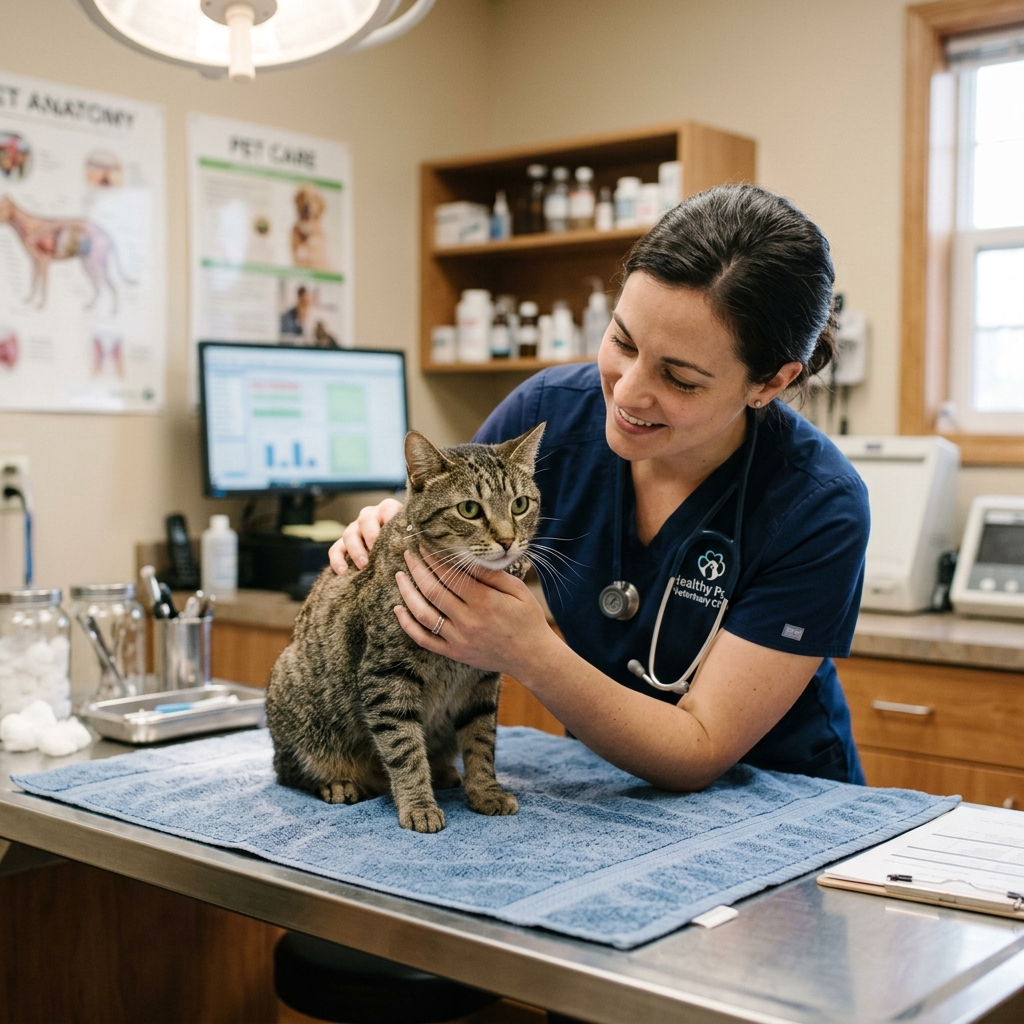
Cats hide pain far better than dogs do, which makes knowing the real warning signs — and having a clinic ready in advance — even more important.
Cats are experts at masking discomfort — it's an instinct left over from being both predator and prey. That same instinct means owners often miss real emergencies until they're already serious, simply because a cat didn't "act sick" the way a dog might. By the time a cat is visibly distressed, the situation can already be urgent.
This guide covers the warning signs that genuinely need urgent attention, how to find and vet a reliable 24/7 clinic before you need one, and what to do in the minutes before you arrive.
Is It an Emergency? Know the Signs
Cats present emergencies differently from dogs — quieter, easier to miss, and sometimes more time-sensitive than they appear.
A cat straining in the litter box with little or no urine is a true emergency, especially in male cats, who are prone to life-threatening urinary blockages. This can become fatal within a day or two if untreated — don't wait to see if it resolves on its own.
Finding a Clinic Before You Need One
- Search for clinics genuinely open 24/7, not just "extended hours." Many clinics advertise late hours but close overnight — confirm true round-the-clock coverage.
- Check GullyTails listings filtered for emergency care. Verified clinic hours and contact details save critical time over an open web search mid-crisis.
- Confirm the clinic actually sees cats regularly, not just dogs. Some emergency clinics are far more dog-focused and less experienced with feline-specific conditions.
- Save the number directly in your phone. Label it clearly, like "Emergency Vet — [Name]," so it's findable instantly under stress.
- Identify a backup option too. If your first choice is full or unreachable, you don't want to be searching from scratch in the moment.
Questions to Ask a Clinic Before You Need It
A quick call now means no surprises later. Ask these before you're relying on the answer.
In the Minutes Before You Arrive
- Call ahead while en route if possible. The clinic can prep and sometimes guide you through immediate first steps over the phone.
- Use a secure carrier, even for a usually-calm cat. A frightened or injured cat can bolt or scratch unexpectedly during transport.
- Bring any packaging if poisoning is suspected. Knowing the exact substance and amount speeds up treatment significantly.
- Have your cat's basic medical history ready if you can. Existing conditions, medications, and allergies matter for fast, safe treatment.
- Cover the carrier loosely with a light cloth en route. Reduced visual stimulation often keeps an already-stressed cat calmer during the drive.
Frequently Asked Questions
The questions cat owners ask most about emergency vet care.
Why are urinary blockages such a big deal specifically in cats?
Male cats in particular have a narrower urethra than females, which makes them especially prone to a complete blockage from crystals, mucus plugs, or inflammation. A full blockage stops a cat from urinating at all, and toxins that would normally be flushed out instead build up in the bloodstream — this can become fatal within roughly 24 to 48 hours without treatment. Straining repeatedly in the litter box with little or no urine produced is the key sign, and it's one of the few feline symptoms that genuinely cannot wait until morning.
My cat is hiding more than usual but otherwise seems fine — should I worry?
Increased hiding is one of the most common early signals of pain or illness in cats, precisely because it's subtle and easy to dismiss as normal cat behaviour. On its own, occasional hiding isn't necessarily alarming, but paired with reduced appetite, lethargy, or any change in litter box habits, it's worth taking seriously rather than waiting it out. Cats are far more likely to withdraw quietly than to show obvious distress, which is exactly why this combination of signs matters more than any single one alone.
How much more expensive is an emergency vet visit compared to a regular one?
Emergency visits are typically more expensive than a routine daytime appointment, since they often involve after-hours staffing, immediate diagnostics, and sometimes overnight monitoring or stabilisation. The exact difference varies a lot by clinic and by what's actually needed, which is why asking about rough costs in advance — before you're in a crisis — is genuinely useful. Pet insurance, where available, can meaningfully offset this, and it's worth checking what your policy covers for emergency and after-hours care specifically.
Can I just go to any vet clinic, or does it need to be specifically an emergency one?
Regular daytime clinics are usually not equipped or staffed for true emergencies outside business hours, and many explicitly redirect after-hours calls to a dedicated emergency facility. Genuine 24/7 emergency clinics are typically set up differently — with on-site overnight staff, emergency diagnostic equipment, and the ability to stabilise a critical case immediately. This matters even more for cats, since not every emergency clinic has equally strong experience with feline-specific conditions like urinary blockages.
What should I keep on hand at home in case of a cat emergency?
A secure, easily accessible carrier is the single most useful item to have ready, since fumbling to find or load one during a crisis costs valuable time. Beyond that, a basic first-aid kit with gauze and vet-approved antiseptic, your cat's medical history and current medications written down, and your saved emergency clinic's number all help the first response go more smoothly. None of this replaces professional care, but it removes avoidable delays in the minutes that matter most.
24/7 Emergency Vets Near You
Gully Tails Editorial
The Gully Tails team brings you expert-reviewed guides and practical advice for pet parents in India.