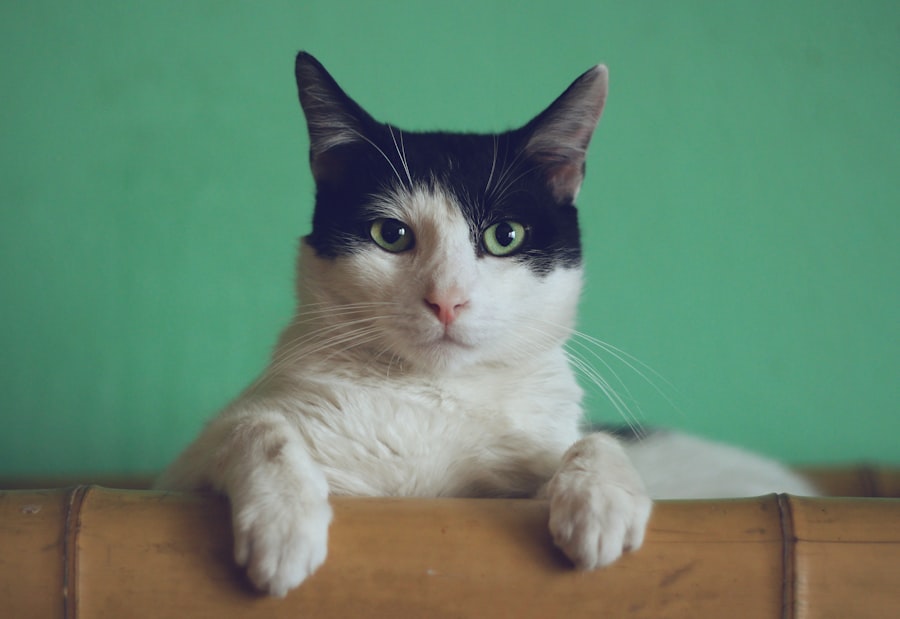
Cats are masters at suffering in silence. By the time something looks wrong, it often already is. Here's the guide every Indian cat parent needs — before they need it.
Your cat will purr on your lap with a fever. They’ll eat breakfast the morning of a serious illness. They’ll groom themselves calmly while quietly dealing with something that would have a dog howling. Cats do not ask for help — not because they don’t need it, but because every instinct they have tells them never to show weakness.
That’s the challenge of loving a cat. And it’s exactly why you have to know what to look for — because they will never tell you. This guide is here to help you read the signs your cat can’t say out loud, and know the difference between "book an appointment this week" and "we’re leaving right now."
The cat owner's golden rule: Cats don't "just get quiet" or "just stop eating" for no reason. Any sudden change in behaviour — hiding, refusing food, not using the litter box — deserves attention. Don't wait more than 24 hours on a cat who isn't eating.
Remember: This guide helps you recognise warning signs — it does not replace a vet's advice. When in doubt, always call your vet or go in. With cats especially, acting early makes an enormous difference to outcomes.
Signs That Mean: Go Right Now
These are not "let's monitor overnight" situations. If your cat is showing any of the following signs, you go to an emergency vet immediately — even at 2 AM.
01. Open-Mouth Breathing or Laboured Breathing
Cats almost never breathe through their mouth. If your cat is panting, breathing with their mouth open at rest, stretching their neck forward to breathe, making clicking or wheezing sounds, or their gums have turned blue, white, or grey — this is a critical, life-threatening emergency. Causes can include fluid around the lungs (pleural effusion), asthma attack, heart disease, or a traumatic injury. Every minute without oxygen matters. Don't observe — go.
02. Straining in the Litter Box Without Producing Urine (Especially Male Cats)
A male cat who is squatting repeatedly in the litter box, crying while trying to urinate, or producing nothing at all has a urinary blockage until proven otherwise. This is one of the most common — and most fatal — emergencies in male cats. The urethra becomes blocked, the bladder fills, and toxins build up in the bloodstream. A male cat who hasn't urinated in 12–24 hours is in a life-threatening situation. Female cats can also develop blockages, though it's less common. Don't confuse this with constipation — watch which box they're straining in.
03. Sudden Hind Leg Weakness or Paralysis (Cold Back Legs)
Your cat suddenly cannot use their back legs, is dragging themselves, or their hind limbs feel cold to the touch. This is the hallmark presentation of feline aortic thromboembolism (FATE) — a blood clot that lodges at the aortic bifurcation and cuts off blood supply to the rear limbs. It is extremely painful, comes on suddenly (often while the cat is resting), and is almost always associated with underlying heart disease. This is among the most time-critical emergencies in cats. Immediate treatment is the only chance.
04. Seizures
A cat having a seizure — paddling limbs, loss of consciousness, jaw snapping, urinating/defecating involuntarily — needs emergency care after the episode ends. If the seizure lasts longer than 2–3 minutes or multiple seizures occur within 24 hours, this is a neurological emergency. Stay calm, keep the area clear of sharp objects, don't put your hands near their mouth, and time the episode carefully. First seizure in an adult cat with no known history is always urgent — underlying causes include toxins, brain tumours, liver disease, and hypoglycaemia.
05. Collapse, Extreme Weakness or Unresponsiveness
A cat who has collapsed, cannot hold their head up, is completely limp, or is unresponsive to touch or their name needs emergency care without delay. This can reflect severe dehydration, extreme low blood sugar (especially in kittens), cardiac events, internal bleeding, or end-stage organ failure. Even if your cat briefly "comes around" and seems okay — a collapse is never normal. It is a warning that something significant is happening internally that needs immediate investigation.
Urgency quick-reference
- Go immediately: Open-mouth breathing, urinary blockage, hind leg paralysis, seizures, collapse
- Within the hour: Suspected poisoning, not eaten for 24+ hrs, severe vomiting
- Same day: Eye injury, deep wound, yellow skin/eyes (jaundice), severe lethargy
- Book this week: Mild appetite change, occasional sneezing, gradual weight shift
Signs That Are Urgent — Act the Same Day
These signs may allow a brief window to call your vet first — but they need same-day attention. Don't sleep on any of these.
06. Not Eating for 24–48 Hours
Unlike dogs, cats cannot safely skip meals. A cat who hasn't eaten for 24 hours is a concern; 48+ hours is urgent. Cats who stop eating — even due to stress, a new food, or a minor illness — are at serious risk of developing hepatic lipidosis (fatty liver disease), a potentially fatal condition that develops rapidly when a cat's body mobilises fat reserves. This is especially critical in overweight cats. If your cat has not touched food in 24+ hours, call your vet today — don't assume they're just being picky.
07. Suspected Poisoning — Even With No Symptoms
Cats are far more sensitive to certain toxins than dogs. Paracetamol (acetaminophen) is rapidly fatal to cats — even a quarter of a standard tablet. Lilies (all parts, including the pollen and vase water) cause acute kidney failure. Other common dangers: essential oils, permethrin-based flea treatments meant for dogs, household cleaners, certain indoor plants. If your cat has been exposed to any suspicious substance — even if they seem fine right now — call your vet or go in. With feline toxicity, acting before symptoms appear is what saves lives.
08. Repeated Vomiting or Vomiting with Blood
Cats occasionally vomit hairballs — that's normal. What's not normal: vomiting more than 2–3 times in a day, vomiting that contains blood or looks like coffee grounds, or vomiting paired with complete lethargy and no food or water intake. Persistent vomiting in cats can indicate gastrointestinal obstruction (especially if they ate something like string, rubber bands, or hair ties — all common cat targets), kidney disease, pancreatitis, or hyperthyroidism. Same-day visit is the right call.
09. Yellow Tinge to Skin, Eyes or Gums (Jaundice)
If the whites of your cat's eyes look yellow, their skin (especially the ears or belly) has a yellow cast, or their gums appear yellow — this is jaundice, and it signals liver disease, bile duct obstruction, haemolytic anaemia, or hepatic lipidosis. It develops when the liver can no longer process bilirubin efficiently. Jaundice in cats is always a serious sign. Same-day vet attention — ideally with bloodwork — is essential. This is not a "wait and see" symptom.
10. Extreme Hiding + Complete Withdrawal
All cats hide sometimes. But a cat who has retreated to an unusual location and won't come out, isn't responding to their name or treats, won't eat or drink, and flinches or growls when touched — is a cat in significant distress or pain. This is the cat's last-resort signal that something is seriously wrong. It can reflect severe pain, extreme fear, a neurological event, or end-stage illness. Don't leave it overnight. If your cat is hiding in an unusual place and completely unresponsive to you — treat it as urgent.
Breed-Specific Risks in Cats
Certain cat breeds carry higher vulnerability to specific conditions due to their genetics or anatomy. If you have one of these cats, knowing their risk profile could save precious time in an emergency.
- Persian, Himalayan, Exotic Shorthair: Flat-faced (brachycephalic) — prone to chronic breathing difficulties, nasal congestion, and respiratory emergencies, especially in heat or stress
- Maine Coon, Ragdoll, British Shorthair: Higher risk for hypertrophic cardiomyopathy (HCM) — a heart condition that can cause sudden aortic blood clots (FATE) and fluid in the lungs. Any sudden hind limb weakness = emergency
- Siamese, Oriental Shorthair: Genetically predisposed to amyloidosis (liver/kidney protein deposits), dilated cardiomyopathy, and certain cancers. Respiratory changes need prompt attention
- Bengal: Prone to progressive retinal atrophy (vision loss), pyruvate kinase deficiency (anaemia), and HCM. Sudden vision changes or extreme lethargy warrant same-day assessment
- Scottish Fold: The folded-ear gene causes osteochondrodysplasia — painful joint and cartilage disease throughout the body. Reluctance to move or jump is often severe pain, not laziness
- Burmese: Higher incidence of hypokalaemia (low potassium) causing muscle weakness and head tremors, and diabetes mellitus. Sudden weakness or muscle episodes need urgent attention
- Abyssinian, Somali: Prone to pyruvate kinase deficiency (anaemia) and renal amyloidosis. Pale gums, extreme fatigue, or rapid weight loss need same-day veterinary review
- All male cats (any breed): Highest risk for urinary blockages regardless of breed. If a male cat is straining in the litter box with no output — treat as emergency every single time
- All senior cats (10+ years): Hyperthyroidism, chronic kidney disease, and hypertension are extremely common. Increased thirst, weight loss, vocalising at night, and sudden blindness (retinal detachment from hypertension) all need prompt assessment
- Domestic Shorthair / Mixed Breed: The most common Indian cat — generally robust, but still susceptible to FIV, FeLV (especially outdoor cats), respiratory infections, and urinary disease. Regular vet checks matter
What to Do Before You Reach the Emergency Vet
A few calm, quick actions before you leave can genuinely help your cat's outcome. Run through this list in the minutes before you go.
- Contain your cat safely. Use a carrier — even a pillowcase in a true emergency. A stressed, injured, or confused cat can bolt or scratch badly. Keeping them contained also keeps them calmer.
- Keep it dark and quiet inside the carrier. Cover the carrier with a light cloth. Reducing visual stimulation lowers stress significantly in cats.
- Call ahead if you can. Even 2 minutes on the phone lets the clinic prepare oxygen, a catheter tray, or an IV — and gives you guidance for the journey.
- Note when symptoms started and any possible triggers — a new plant, a food change, access to cleaning products, or time spent outdoors.
- Never give paracetamol, ibuprofen, or aspirin. These are toxic to cats. Even a fragment of a human painkiller can cause liver failure or severe anaemia within hours.
- Don't offer food or water if surgery may be needed — let the vet advise.
- Bring the packaging of anything suspected — medication, plant, cleaning product. A photo works too. It saves critical diagnostic time.
24/7 Emergency Vets Near You
Frequently Asked Questions
My cat is hiding under the bed and won't come out. Is that normal?
It depends on context and duration. Cats hide after stress — a loud noise, a visitor, a new pet — and that's normal. But if your cat has been hiding for more than 12 hours, isn't responding to food or their name, seems tense or painful when touched, or this is completely out of character for them — take it seriously. Cats retreat and go very still when they are in significant pain or severe illness. Extended, unusual hiding is one of the most reliable signals that something is wrong. If it's been 24 hours and they haven't eaten, drunk, or used the litter box — call your vet today.
My cat has a lily plant at home and may have brushed against it. How worried should I be?
Very worried — and you should act immediately. All parts of true lilies (Lilium and Hemerocallis species — Easter lily, Tiger lily, Day lily, Asiatic lily) are acutely toxic to cats. Even tiny amounts — pollen on the paw that gets licked off, a sip of vase water — can cause acute kidney failure within 24–72 hours. If you suspect your cat has had any contact with a lily plant, call your vet or go to emergency care now, even if your cat appears completely normal. Treatment is most effective before symptoms begin. Symptoms include vomiting, drooling, lethargy, and eventually complete kidney shutdown. Remove all lily plants from your home permanently if you have cats.
How can I tell if my cat is in pain? They never seem to show it.
You're right — cats are extraordinary at masking pain. The signs are subtle but learnable. Watch for: a hunched posture with all four feet tucked tightly under the body; ears flattened sideways or back; eyes narrowed or half-closed (not the slow blinking of contentment — a tense, squinted look); whiskers pulled back; a tense jaw; reluctance to jump onto surfaces they normally use; over-grooming or neglecting to groom one area; and changes in vocalisation — either more vocal than usual (low growling or moaning) or unusually silent. The "pain face" in cats is a tightening of the facial muscles — research has validated a Feline Grimace Scale that vets use. If your gut says something is off, trust it. You know your cat's normal.
Is it safe to use a dog flea treatment on my cat in an emergency?
No — absolutely not. This is one of the most common and most serious accidental poisonings in cats in India. Dog flea treatments that contain permethrin are severely toxic to cats. Even small amounts of a permethrin-based spot-on applied to a cat — or a cat grooming a recently treated dog — can cause tremors, seizures, hyperthermia, and death. If your cat has been exposed to a dog flea product, wash the area with soap and water immediately and get to an emergency vet. Always check that any flea or tick product is specifically labelled safe for cats before using it. When in doubt, ask your vet.
How do I find a vet in India who has experience with cats specifically?
It's a genuinely important question — cat medicine is different from dog medicine in meaningful ways, and not all clinics see cats regularly. GullyTails lists verified vet clinics across Chennai, Bangalore, Hyderabad, Mumbai, Delhi, and Pune. When searching, look for clinics that specifically mention feline medicine, exotic and small animal care, or cat-friendly practices. Clinics that see mostly dogs may not have the cat-specific equipment (smaller catheters, cat-appropriate anaesthesia protocols, separate cat waiting areas) that make a real difference to your cat's experience and outcome. You can also ask your regular vet for a referral to a feline specialist for complex or ongoing conditions.
Gully Tails Editorial
The Gully Tails Editorial team works with local vets and pet parents to bring you the most accurate and up-to-date resources for pet care in India.