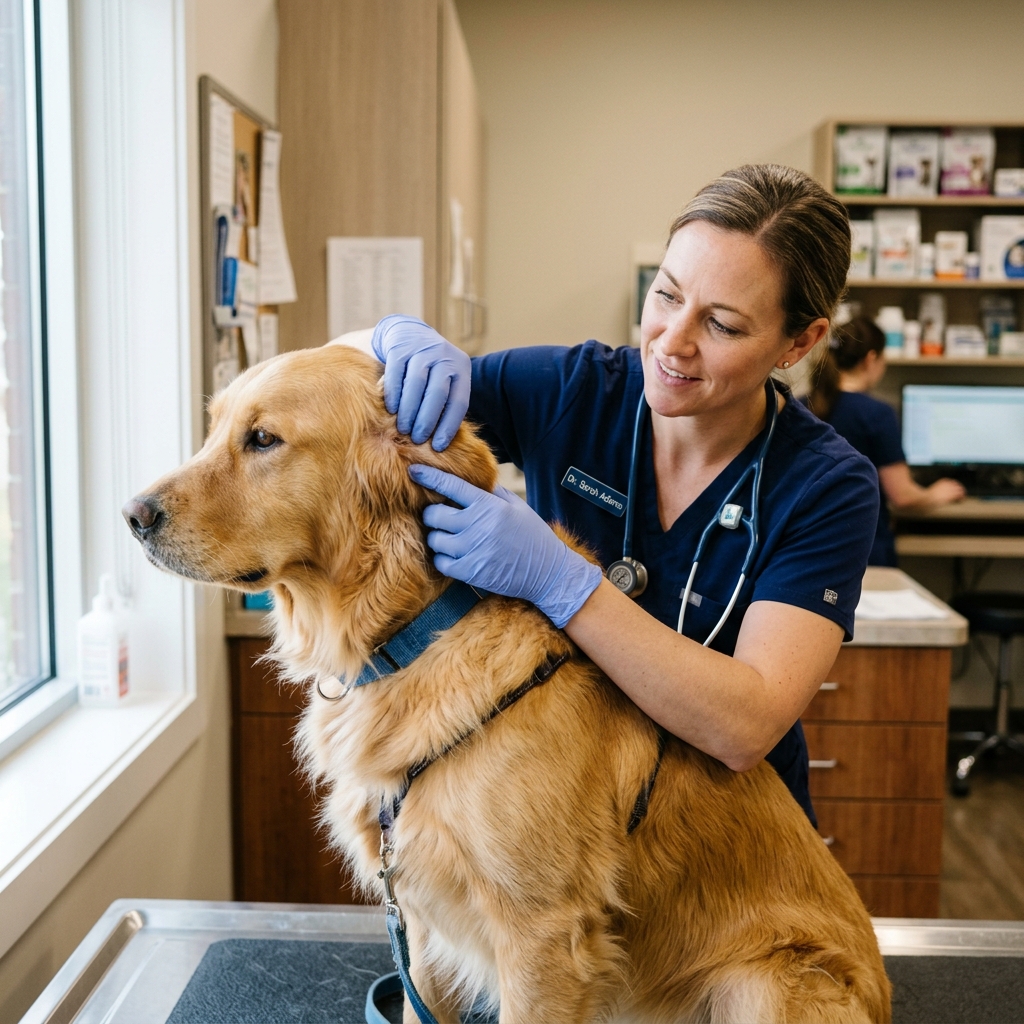
Ticks and fleas are a year-round risk in most of India, not just a monsoon problem. Here's what actually prevents infestations, how to spot one early, and what to do if you find one.
Ticks and fleas aren't just an itch-and-scratch nuisance — left unchecked, they spread serious illnesses like tick fever, anaemia, and tapeworms, and a single missed flea can multiply into a full home infestation within weeks. In India's warm, humid climate, both are active across most of the year, not confined to one season.
This guide covers prevention, early detection, removal, and how to actually choose between the products on the shelf — split by what matters most for dogs versus cats.
Why Prevention Matters More Than Treatment
Prevention That Actually Works for Dogs
- Use a vet-recommended spot-on or oral preventive monthly. Consistency matters more than the specific brand — gaps in coverage are when infestations start.
- Check after every walk in grass, parks, or wooded areas. Run your hands along the neck, ears, armpits, and between toes where ticks attach first.
- Bathe with a vet-approved anti-tick shampoo periodically. Don't rely on shampoo alone — it helps, but it isn't a substitute for ongoing preventive treatment.
- Keep the coat trimmed in humid months. Long, matted fur gives both ticks and fleas more places to hide undetected.
- Treat your yard or terrace if your dog spends time outdoors. Ticks live in grass and cracks in pavement, not just on your pet.
Prevention That Actually Works for Cats
Never use a dog flea/tick product on a cat. Many contain permethrin, which is toxic to cats even in small amounts. Always check the label says specifically safe for cats.
- Use a cat-specific spot-on treatment monthly. Indoor-only cats still need this — fleas hitch rides in on shoes, bags, and other pets.
- Comb regularly with a fine-tooth flea comb. This catches fleas and eggs early, especially around the neck and base of the tail.
- Wash bedding weekly in hot water during flea season. Flea eggs and larvae survive in fabric far longer than most owners expect.
- Watch for excessive grooming or small dark specks in fur. Cats hide discomfort well — over-grooming one area is often the first visible sign.
- If your cat goes outdoors, check paws and ears after each trip. These are common, easy-to-miss attachment spots on cats specifically.
Found a Tick? Here's What to Do
- Use fine-tipped tweezers, not your fingers. Grip as close to the skin as possible, avoiding the tick's body.
- Pull straight up with steady pressure. Don't twist or crush — this can leave mouthparts embedded or release more bacteria.
- Clean the bite area with antiseptic. Watch the spot for a few days for swelling or redness.
- Watch for lethargy, fever, or appetite loss over the next 1–2 weeks. These can signal tick-borne illness and warrant a vet visit.
- Never use a lit match, petroleum jelly, or alcohol to remove a tick. These outdated methods can cause the tick to release more bacteria into the bite.
Comparing Prevention Methods
No single option is universally "best" — it depends on your pet's lifestyle, sensitivity, and how consistent you can be with reapplication.
| Method | Duration | Best for | Watch out for |
|---|---|---|---|
| Spot-on treatment | 4 weeks | Most dogs & cats, easy routine | Must touch skin, not just fur |
| Oral chewable | 4–12 weeks | Dogs that dislike topical application | Prescription-only in most cases |
| Tick & flea collar | Up to 6–8 months | Long-term, low-maintenance coverage | Not all are cat-safe — check label |
| Medicated shampoo | Days, not weeks | Active infestations, as a supplement | Not a standalone preventive |
| Natural/herbal sprays | Hours to 1 day | Mild deterrent between treatments | Limited evidence for severe risk |
Always confirm with your vet before starting any product, especially for puppies, kittens, pregnant pets, or animals with existing health conditions.
Frequently Asked Questions
The questions Indian pet owners ask most about ticks and fleas.
Is tick and flea season year-round in India, or only during monsoon?
In most of India, warm and humid conditions persist long enough that ticks and fleas remain active across the majority of the year rather than just monsoon months. Risk does tend to peak during and right after monsoon when humidity is highest, but treating prevention as a "seasonal" task rather than a year-round routine is one of the most common gaps that leads to infestations.
Can fleas and ticks spread to humans in the house?
Fleas can and do bite humans, typically causing itchy bites around ankles and lower legs, though they don't live on human hosts long-term the way they do on pets. Ticks can also attach to humans, particularly if picked up from grass or shared furniture, and in rare cases can transmit illness to people too. This is part of why treating the home environment — not just the pet — matters during an active infestation.
My indoor-only cat never goes outside — does it really need prevention?
Yes, and this is one of the most common misconceptions among cat owners. Fleas and even ticks can be carried indoors on clothing, shoes, bags, or by other pets and visitors, so an indoor-only lifestyle reduces risk but doesn't eliminate it. Many vets still recommend monthly prevention for indoor cats, particularly in homes with other pets that do go outdoors.
How do I get rid of fleas in my house, not just on my pet?
Treating only the pet while ignoring the home is a common reason infestations keep coming back, since flea eggs and larvae live in carpets, bedding, and soft furnishings for weeks. Vacuuming frequently, washing all pet bedding in hot water, and treating the pet consistently together usually breaks the cycle within a few weeks. Severe infestations sometimes need a household insecticide spray or professional pest control alongside pet treatment.
Are natural or home remedies effective against ticks and fleas?
Some natural deterrents can offer mild, short-term repellent value, but the evidence behind them is far weaker than for vet-approved spot-on, oral, or collar treatments, especially for pets at real risk of tick-borne illness. They're reasonable as a supplement between treatments but shouldn't replace a proven preventive, particularly in high-risk seasons or for pets that spend significant time outdoors.
Gully Tails Editorial
The Gully Tails team brings you expert-reviewed guides and practical advice for pet parents in India.